
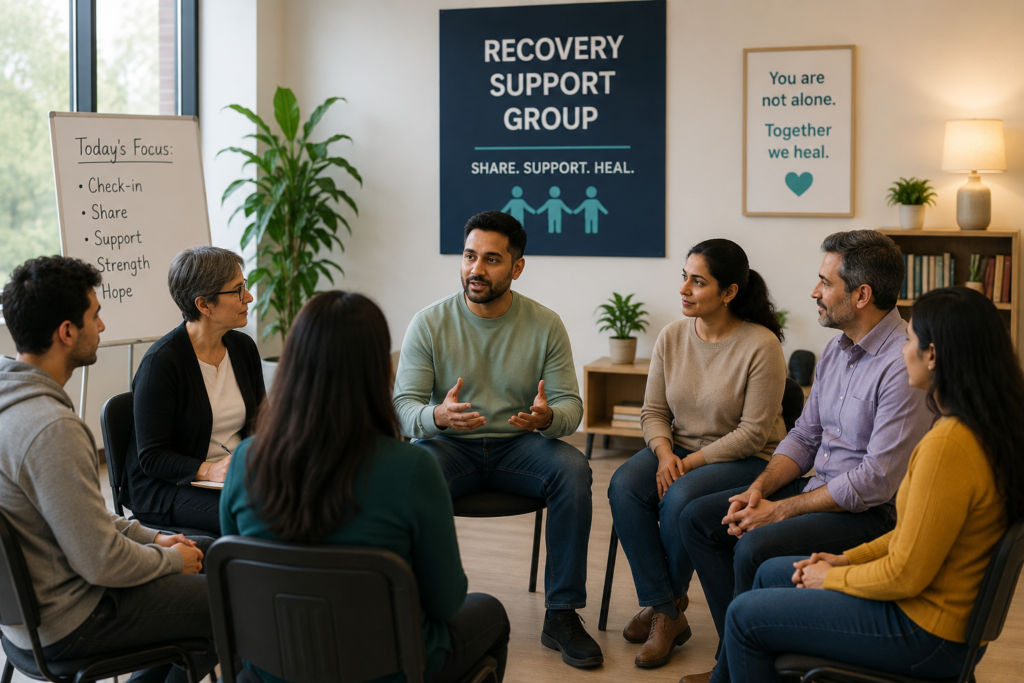
Completing a drug rehab program is an important achievement, but recovery does not end when treatment does. Returning to everyday life can bring new challenges, including familiar stressors, relationship difficulties, work responsibilities, and situations that may trigger cravings. This is why aftercare and recovery planning are essential parts of addiction treatment. With continued support, practical coping strategies, and a plan tailored to individual needs, people can build on the progress they made in rehab and work toward lasting recovery.
Why Aftercare Matters After Drug Rehab
During a structured treatment program, individuals have access to professional guidance, scheduled activities, and an environment focused on their health and recovery. Once they leave, they must begin applying those skills in their regular surroundings.
That transition can feel overwhelming. Family responsibilities, financial concerns, social pressure, and unexpected problems may create stress. Without a clear support system, these challenges can make it harder to maintain healthy routines.
Aftercare provides continued support during this adjustment. It helps individuals stay connected to treatment professionals, address new concerns, and strengthen the habits developed during rehab.
Aftercare may include:
- Individual counseling or group therapy.
- Regular appointments with addiction treatment professionals.
- Mental health services and medication management when appropriate.
- Peer recovery groups and community support.
- Relapse prevention planning.
- Case management and help connecting with community resources.
The right combination depends on each person’s circumstances, progress, and ongoing treatment needs.
What Does an Addiction Aftercare Plan Include?
An effective aftercare plan provides clear steps for maintaining recovery after a formal treatment program. It should be developed with the individual and treatment team before discharge whenever possible.
Rather than relying on a general checklist, a useful plan considers personal challenges, available resources, mental health needs, and long-term goals.
Continued Counseling and Professional Support
Counseling remains valuable after residential or intensive treatment. Regular sessions give individuals an opportunity to discuss challenges, review progress, and work through situations that may affect recovery.
A counselor can help identify patterns in thoughts and behaviours, strengthen coping strategies, and address concerns before they become more difficult to manage.
Some people benefit from individual therapy, while others find group counseling helpful because it provides opportunities to learn from people facing similar challenges.
Relapse Prevention Strategies
Relapse prevention is a central part of recovery planning. Individuals learn to recognize situations, emotions, and behaviours that may increase the risk of returning to substance use.
Common warning signs can include:
- Increased stress or anxiety.
- Spending time with people associated with past substance use.
- Withdrawing from supportive friends or family.
- Missing counseling sessions or recovery meetings.
- Experiencing persistent cravings.
- Returning to routines connected with previous substance use.
Recognizing these signs early allows individuals to take action. They may contact a counselor, reach out to a trusted support person, attend a recovery meeting, or adjust their treatment plan.
A return to substance use does not mean recovery is impossible. It is a reason to seek help promptly, reassess current needs, and strengthen the support plan.
Mental Health Treatment and Emotional Well-Being
Addiction and mental health concerns often affect one another. Depression, anxiety, trauma, and ongoing stress can complicate recovery, particularly when these concerns remain untreated.
For this reason, aftercare should consider both substance use and mental health needs. Continued therapy, psychiatric support, and medication management may be appropriate depending on an individual’s assessment.
Emotional well-being also benefits from consistent daily habits. Regular sleep, physical activity, balanced meals, and meaningful social connections can support overall health while individuals adjust to life after rehab.
Moving From Inpatient Rehab to Outpatient Care
For people completing inpatient or residential treatment, returning home is a major transition. The structure of a treatment setting is different from everyday life, so the move should be planned carefully.
Outpatient care can provide continued clinical support while allowing individuals to live at home and resume certain responsibilities. Depending on the person’s needs, this may involve scheduled therapy, group sessions, medication appointments, or other recovery services.
A well-planned transition should address several practical questions:
- When will the first outpatient appointment take place?
- Who should the individual contact if cravings or emotional difficulties increase?
- Are mental health services or medication follow-ups needed?
- Which local recovery groups or community resources are available?
- What changes at home may help reduce exposure to triggers?
Whenever possible, appointments and referrals should be arranged before discharge. A direct introduction to the next care provider can also make the transition easier and reduce gaps in support.
Building a Healthy Routine After Addiction Treatment
Recovery involves more than avoiding drugs or alcohol. It also means developing a lifestyle that supports physical health, emotional stability, and personal responsibility.
A predictable routine can provide structure during the early stages of life after rehab. It does not need to be complicated. Consistent daily habits can make a meaningful difference over time.
Set Realistic Personal Goals
Returning to work, repairing relationships, continuing education, or managing household responsibilities may be important goals. However, trying to accomplish everything at once can create unnecessary pressure.
Start with manageable steps. For example, someone returning to work might begin by establishing a regular sleep schedule and organizing transportation. Another person may focus first on attending appointments and rebuilding communication with family members.
Progress is often easier to maintain when goals are realistic and specific.
Rebuild Supportive Relationships
Family members and friends can play an important role in recovery, but rebuilding trust may take time. Open communication, consistent actions, and clear boundaries can help relationships improve.
It is also important to recognize that not every social connection supports recovery. Individuals may need to limit contact with people or environments associated with past substance use.
Peer support groups can provide additional encouragement and a sense of connection. Hearing how others manage similar challenges may help individuals feel less isolated.
Make Room for Meaning and Personal Values
Personal beliefs, spirituality, and meaningful activities can also contribute to a person’s recovery journey. Some individuals find strength through faith communities, prayer, meditation, or service to others. Others connect with nature, creative interests, exercise, or volunteering.
These activities are not replacements for professional treatment. However, they can help individuals develop purpose, strengthen healthy connections, and create a more balanced daily life.
How to Know When Additional Support Is Needed
Recovery is not always a straight path. Some periods may feel manageable, while others bring difficult emotions, cravings, or unexpected setbacks.
It is important to seek additional help when warning signs begin to affect daily life. These may include increasing isolation, repeated missed appointments, worsening anxiety or depression, stronger cravings, or difficulty managing responsibilities.
Individuals should contact their treatment provider or another qualified professional rather than waiting for the situation to become a crisis. If substance use resumes, prompt assessment can help determine whether a different level of care is needed.
A recovery plan should be flexible enough to change as circumstances change. Some people may need more frequent counseling for a period, while others may benefit from additional mental health care or stronger community support.
Taking the Next Step Toward Long-Term Recovery
Life after drug rehab brings opportunities as well as challenges. Aftercare and recovery planning help individuals maintain the progress they have made while preparing for the realities of everyday life. Continued counseling, mental health treatment, relapse prevention strategies, and supportive relationships can all contribute to a stronger foundation.
Most importantly, no one needs to manage every part of recovery alone. Asking for guidance, attending follow-up appointments, and adjusting a treatment plan when necessary are signs of taking recovery seriously.
If you or someone you care about is preparing to leave rehab or needs continued addiction support, reaching out to a qualified treatment professional is a practical next step. The right guidance can help identify suitable aftercare options, address ongoing mental health needs, and create a recovery plan that reflects individual goals and circumstances. Recovery continues beyond treatment, and ongoing support can make that next chapter more manageable.